Techniques to Minimize Soil Compaction
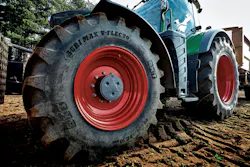
Soil compaction is a critical issue in modern agriculture. It is a concept that encompasses sustainability, crop protection and soil preservation to ensure future yields.
"BKT pays close attention to industry needs and soil protection is integral to agricultural tire design," says Dave Paulk, manager, field technical services, BKT USA Inc. "VF technology is at the heart of our soil-friendly approach. Thanks to a flexible carcass design, tires can operate at lower inflation pressures while carrying loads equal to or greater than standard tires. In addition, we focus on a wider contact footprint, which distributes the load over a larger area, thus reducing ground pressure and soil compaction.
"BKT’s solutions help avoid soil compaction, thereby preventing its detrimental effects," he says. "Soil compaction occurs when soil particles are pressed together, reducing the pore space between them. In wet years, in particular, loose soil allows water to drain from the soil and prevents ponding. On the other hand, in dry years, it retains moisture better than compacted soil, supporting better plant growth. Loose soil allows more air and oxygen into the soil, supporting better plant growth, while compacted soil restricts vertical root growth and forces roots to grow horizontally along a hard pan. Plants cannot access nutrients and moisture in the ground as they should and this stunts plant growth and reduces yields. Furthermore, compacted soil can make plants blow over more easily in the wind because the root structure is not strong. This can significantly harm soil health, plant growth and the surrounding ecosystem."
There are a number of techniques that will help minimize soil compaction.
"The better the weight of the tractor and implement can be spread over the ground, the less compacted the soil will be and choosing the best tires for the specific application is fundamental," says Paulk.
"Soil protection is integral to agricultural tire design. That’s why BKT’s VF technology is at the heart of our soil-friendly approach. The flexible casing design allows tires to operate at much lower air pressures while carrying equal or greater loads compared with standard tires. The larger contact patch (footprint) disperses the vehicle’s load over a greater area, reducing ground pressure and soil compaction. The increased footprint also improves traction, which reduces slippage - a factor that can worsen compaction if tires are slipping excessively.
"Also it is important to select tires with the proper load indexes that can carry heavy loads at reduced pressures in the field, but that’s not the only thing to consider," he notes. "Setting the correct air pressures for the weight of the machines is a plus. Setting pressures too high creates more soil compaction and more tire slippage, resulting in less traction. Too little air in a tire will lead to a tire failure at some point. With the correct air pressures for the application and weight, soil compaction will be minimized and traction will be maximized.
"Air pressure dictates ground bearing pressure, which increases the weight on the soil. For every one pound of air pressure used, this translates to one pound of ground pressure (plus two). For example, 14 psi in a tire equals 16 pounds per square inch of ground bearing pressure. If soil compaction is important to the farmer, moving to VF tires can help them reduce air pressures (up to 40%) and carry the same weight as the standard tire they are using. This allows for a wider and longer tire footprint to better distribute the weight of the equipment over a larger area. This improves flotation and traction and minimizes soil compaction."