Cost Pressures, Cautious Fleets Shape Commercial Truck Tire Market
What's Driving the Market
- Market conditions remain cautious with gradual growth expected, driven by supply chain efficiency and strategic inventory management.
- Demand for value-priced tier-three and tier-four tires is increasing as fleets seek cost-effective yet reliable solutions amid economic pressures.
- Fleets are shifting focus from purchase price to total cost of ownership, emphasizing durability, fuel efficiency and retreadability.
- Read "Medium Truck Tires for a Cost-Concious Market" to find out how commercial tire manufacturers are deveopling products to meet fleet and dealer needs in the current market.
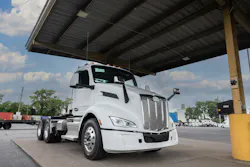
The commercial truck tire market entered 2026 on uneven footing, with many manufacturers describing demand as soft, flat, cautious or only modestly positive through the first part of the year.
Freight inconsistency, elevated fuel prices, tariffs, raw material volatility and broader economic uncertainty are keeping fleets disciplined with purchasing decisions and forcing tire dealers and suppliers to compete in a more price-sensitive environment.
That pressure is accelerating one of the clearest shifts in the market, as fleets increasingly consider value. Several manufacturers say tier-three and tier-four products continue to gain traction as fleets try to reduce upfront costs and protect margins. But feedback also shows that price alone is not enough. Fleets still want tires that can prove their value through mileage, fuel efficiency, casing durability, retreadability, uptime and consistent performance across applications.
For tire dealers, that means the conversation is continuing to move from purchase price to total cost of ownership. Manufacturers repeatedly pointed to cost per mile, reliable supply, casing value, service support and inventory availability as key differentiators in a market where fleets are cautious but still need to keep equipment moving.
Looking ahead, truck tire manufacturers do not expect a dramatic rebound or a single breakthrough to reshape medium truck tires in 2026. Instead, they see gradual improvement and continued innovation around the fundamentals. As fleets seek more data, more uptime and more predictable operating costs, they say the commercial tire market’s next phase will be defined by products and programs that help fleets make every tire dollar go further.
Cost-conscious fleets
MTD: What is the commercial truck tire market like so far in 2026? What key opportunities, challenges and trends are shaping the market right now?
Dave Goldman, senior vice president of Commercial Products, American Tire Distributors: The commercial truck tire market has been modestly positive through the first four months of 2026. One notable trend is fleets tiering-down as they seek more cost‑effective alternatives amid ongoing price pressure. As a result, demand for tier-two through tier-four products has increased. Tariffs have also influenced pricing, continuing to be a headwind for the industry.
Karl Jin, divisional head of product and pricing, Apollo Tyres Ltd.: The market so far in 2026 has been soft. Freight has been inconsistent and fleets are being very disciplined with spending. Most customers are managing inventory closely and not making aggressive buying decisions.
Rob Seibert, president, North America Truck and Bus Radial, Bridgestone Americas Inc.: The commercial truck market continues to be softer than expected through Q1, with some positive signs from OEMs and national accounts. The disruption caused by tariffs in 2026 is starting to normalize low-tier import levels, while supply in the market continues to come down. Total cost of ownership continues to be key as fleets navigate the high cost of oil and shipping disruptions stemming from the conflict in the Middle East.
Aaron Murphy, senior vice president, CMA/Double Coin: In 2026, economic stagnation has created lower demand for tires and this is reflected in shipment data. However, with the difficult economic times, value-priced products are in higher demand due to the tight trucking profit margins.
Shaun Uys, vice president of sales and marketing, truck tires, replacement, USA, Continental Tire the America LLS: We expect 2026 to be challenging but manageable with pressure from tariffs, fluctuating demand and increased competition in lower-tier segments.
Rick Brennan, associate vice president of TBR, Dunlop Tires North America Inc.: The commercial truck market is facing challenges on multiple fronts this year. Uneven demand recovery in the freight market, rising operating costs for trucking fleets, tariffs and increasing raw material costs for tires are just a few of the challenges facing tire makers today. With costs rising, fleets are looking for ways to save. Delaying new truck purchases, as well as new truck tire purchases, has reduced demand for both in the first half of the year. We expect to see more of the same as we enter the third quarter of the year. With the global uncertainties we face, the current conditions could last through year-end for the tire industry.
Joshua J. Benson, vice president, First Choice Sourcing Solutions: The commercial truck tire market in 2026 remains highly competitive and cautious. Freight volumes continue to fluctuate, keeping many fleets focused on tight cost control and conservative purchasing decisions. Persistent volatility in fuel prices and raw material costs has added further pressure throughout the supply chain.
A clear trend emerging this year is the growing divide between low-price tires and performance-oriented solutions. While global oversupply has intensified price competition in some segments, forward-thinking fleets are placing greater emphasis on total cost of ownership. Reliability, fuel efficiency, casing durability and consistent performance have become more important than initial purchase price.
This environment creates strong opportunities for suppliers who can deliver not only high-performing products but also supply reliability, structured programs and operational support. In a market defined by uncertainty, consistency and predictability have become significant competitive advantages.
Joe Stuglis, vice president, commercial sales North America, Goodyear Tire & Rubber Co.: The commercial truck tire market in 2026 continues to be shaped by fleets’ focus on controlling total cost of ownership. One of the most significant and often overlooked opportunities for fleets to reduce avoidable costs is through stronger tire health management. Improper tire inflation, undetected tire issues and delayed maintenance continue to contribute to higher fuel consumption, accelerated wear and an increased risk of costly roadside events.
Technology solutions are playing an increasingly important role in addressing these challenges. Fleets are turning to data‑driven tools that provide greater visibility into tire and vehicle health so they can move from reactive to proactive maintenance strategies. Real‑time insights enable earlier intervention, helping fleets prevent minor issues from becoming major disruptions. In addition, many fleets are placing greater emphasis on retreading as part of a broader tire health management approach.
Mark Roe, vice president of U.S. TBR Sales, Hankook Tire America Corp.: So far in 2026, the commercial truck tire market reflects a shift driven by economic pressures, regulatory changes and evolving fleet priorities. Compared to last year, the original equipment (OE) market experienced a decline, while the replacement arket continued to grow. However, entering the first half of 2026, factors such as new truck-driver–related policies, sharp increases in oil and diesel prices and upcoming Environmental Protection Agency regulations are beginning to influence market demand, which could favor the OE segment.
Vehicle prices are on the rise due to higher manufacturing costs. Challenging compliance or regulations in the marketplace and higher fuel costs are all factors placing additional pressure on fleets to maximize asset life. As a result, one of the most significant trends in the market is the demand for tires with advanced technology that delivers longer mileage, improved durability and lower total cost of ownership or operation.
Shawn Denlein, president of sales and marketing, Kumho Tire U.S.A. Inc.: The TBR tire market is navigating a difficult landscape in 2026, marked by a freight recession that has weakened demand — evidenced by a 15% year-over-year decline in the commercial truck segment in the first quarter — making cost-per-mile efficiency more critical than ever for fleet operators. At the same time, established market leaders are facing intensifying competition.
Despite these pressures, underlying demand drivers remain strong. Rapid e-commerce and logistics expansion is increasing fleet sizes and accelerating tire wear, while significant global infrastructure investment and ongoing construction activity are boosting the need for durable, heavy-duty and off-road truck tires capable of handling challenging terrains. Additionally, the rise of electric vehicles, especially in last-mile delivery, is driving demand for advanced, fuel-efficient and sensor-enabled tire technologies.
However, the industry must contend with persistent challenges, including volatile raw material costs; ongoing supply chain disruptions; stringent regulatory requirements related to emissions and safety, as well as tariffs; pressure from the retread market and intense competition fueled by continuous innovation and strategic positioning among key players.
Chris Miller, TBR engineer, Linglong Tire Americas: Commercial truck market is strong, with more demand for low-cost Asian brands as fuel, wages and capital costs increase. Opportunities are introducing tires that are more multiple retread friendly, while maintaining lower price points. Initial service life also requires higher wear before retreading. The rise of electric trucks is creating demand for specialized tires. Challenges are designing lower rolling resistance tires, especially with fuel cost increases in Q1 and Q2 2026, while maintaining/improving other performance metrics.
Samuel Felberbaum, president, Prinx Chengshan Tire North America: The commercial truck tire market has been relatively flat to start 2026. One of the most significant factors impacting the market is the geopolitical situation in the Middle East, which has driven volatility in diesel prices. This is affecting both independent owner-operators and large fleets, with rising fuel costs leading to increased transportation expenses, including daily fluctuations in drayage surcharges.
Fabio Favini, head of marketing and Supply Chain, North America, Prometeon Tyre Group: The North American commercial truck tire market in 2026 remains highly competitive and strongly price-focused, largely because freight demand is still soft and low-cost tier-three and tier-four imports continue to grow. Even when fleets understand the long-term value of premium tires, many customers are shifting to lower-cost brands to manage daily operating costs and short-term profitability. Another major factor shaping the market is the ability to provide strong service support and national account programs. Fleets are increasingly looking not just for competitive pricing, but also for reliable supply, nationwide coverage, road service, fleet programs and strong dealer support.
Rob Ulias, senior vice president of commercial sales, North America, Sailun Tire Americas: The commercial truck tire market in 2026 remains challenging, but is beginning to show early signs of stabilization. Freight demand and rates are still under pressure, keeping fleets and dealers cautious, while elevated input costs — driven by fuel volatility and raw material swings — continue to squeeze margins. At the same time, aggressive discounting across the market, particularly from overcapacity in global supply, is creating a highly price-sensitive environment.
That said, these conditions are also creating clear opportunities. Fleets are more focused than ever on total cost of ownership, durability and fuel efficiency, accelerating demand for higher-performing, longer-lasting tires with proven data behind them. Programs that combine strong product performance with reliability, casing value and consistent supply are standing out, especially as customers look to reduce operating costs and avoid risk.
Nick Gutierrez, territory sales and marketing director, Sentury Tire USA: The commercial tire market has been steadily growing and we estimate it will continue to expand as e-commerce and freight demand continue to grow. The key challenges for fleet vehicle owners are to find products that can be shipped in a competitive timeframe, be durable in today’s unpredictable economy and also provide good fuel economy.
Nurali Bunyatov, vice president of commercial tire brand management and merchandising, TBC Corp.: Demand across our commercial truck tire portfolio has remained steady through the first part of 2026. With tariff uncertainty now largely behind us, the market's attention has shifted to increases in fuel and operating costs driven by rising oil prices. What's notable, though, is how well the industry has adapted. Fleets and commercial dealers have built the operational muscle to proactively manage rising costs and many are doing so by doubling down on brands that deliver a proven combination of performance and total cost of ownership. That's a shift in mindset from reactive to strategic and it's creating real opportunity for brands with credibility on both dimensions.
Joaquin Gonzalez, president, Tire Group International LLC (TGI): The commercial truck tire market in 2026 has been steady, but much more competitive and value-driven. Fleets are still buying, but every decision is being made with a sharper focus on cost control and return on investment. One of the biggest dynamics right now is the pressure from lower-cost products and the reality is that they are performing. The gap between premium and value tiers has narrowed and fleets are realizing they can get solid performance at a better price point. That is putting pressure across the entire market.
The opportunity is for companies that can deliver consistent quality, reliable supply and real-world performance at a competitive cost. The challenge is that customers are no longer paying for perceived value. They want results. At the same time, the focus continues to shift toward total cost per mile, uptime and casing value, which is changing how tires are evaluated and sold.
Mike Park, assistant director of market intelligence and pricing, Tireco Inc: The commercial truck tire market in 2026 is keeping everyone honest. Freight activity has been uneven, operating costs remain elevated and fleets are exercising real discipline with every purchasing decision. From fuel and labor to insurance, equipment, raw materials and tariff-related uncertainty, fleets are under pressure to make every dollar work harder. Price matters, but cost per mile matters more.
Pricing pressure remains intense, particularly with low-cost imports in the market, and dealers are managing inventory carefully. Fleets may be cautious, but equipment still needs to move, and replacement demand remains the core driver of the market. The most significant shift underway is fleets pushing harder to optimize tire performance across all applications: regional and long haul, last-mile delivery and mixed service. The focus is on total cost of ownership, tread life, fuel efficiency, SmartWay-verified options, casing durability and retreadability.
Jordan Vastine, field manager of commercial product and business development, Toyo Tire U.S.A. Inc.: Rising raw material costs continue to put pressure on profit margins across the board. While the commercial tire market in 2026 appears uneven, it remains stable overall. Dealers and fleets are prioritizing reliable, proven brands with highly retreadable casings to help maximize returns. Although retreading has faced some recent challenges, it is still widely practiced and shifts the mindset from short-term purchasing to long-term investment.
Fleets are also extending the life of their equipment to manage costs, which increases expectations for tire durability. Whether in long-haul, regional or construction applications, fleets want confidence that they are investing in the right tire. Key factors include mileage performance, resistance to irregular wear and overall durability, all of which contribute to lowering cost per mile.
Chris A Tolbert, senior director of sales, Trimax Tire Corp.: (The market is) soft, flat and concerning. With increased diesel costs, it could be a very challenging year. First (concern) is finding opportunities to help lower costs. Second, the supply chain needs to be stable and third, inflation trends really need to stay way below 3%.
Dan Funkhouser, vice president of commercial sales, Yokohama Tire Corp.: The overall market has had a slow start with year-over-year declines in both replacement and OE through the first quarter. Despite the slow start, outside of the general economic uncertainty, most trucking and freight-related indicators look favorable or at least stable. We’ve, of course, recently seen the price of diesel skyrocket and expect that trend to continue for what could be a lengthy period of time. In an environment like this, fleets are really looking to help their bottom line. That’s why low rolling resistance products are becoming more common.
Gradual recovery
MTD: How do you see the market evolving for the remainder of the year? What’s the next big development or innovation in medium truck tires?
Goldman (ATD): We expect the remainder of the year to follow a similar trajectory, with steady but moderate growth. Success will hinge on supply‑chain efficiency — specifically, having the right inventory in the right locations. This approach helps dealers reduce on‑hand inventory while still meeting customer demand quickly, which will be a key competitive advantage in a margin‑conscious environment.
Jin (Apollo): I think the market will improve, but it is going to be gradual. Fleets are still being disciplined and dealers are focused on turning inventory, so I don’t expect a sharp rebound. As things stabilize, you will see more willingness to test new products, but only if there is a clear path to lowering cost per mile. The next big development is around casing value and smart tire technology. Fleets are paying a lot more attention to how many lives they can get out of a casing and we are starting to see more interest in tire data to help reduce downtime and control cost. It all comes back to getting more life out of the tire and lowering total cost.
Seibert (Bridgestone): The commercial truck industry is becoming more digital as new tools are developed daily to improve operational efficiency. As these tools are quickly adopted, the industry's next step is for equipment manufacturers to deliver more value beyond just the physical product.
Murphy (CMA/Double Coin): The economy was expected to grow in the second half (of 2025) due to many incentives and this would have fueled tire demand. We are optimistic it will pick up in the second half of 2026, but a lot depends on the current global issues.
Uys (Continental): Customers are looking for reliability, efficiency and beneficial service and support. In TBR, fleets are focused on their total cost of ownership. They are focused on prioritizing fuel efficiency, mileage and uptime, which can translate to a demand for premium products and services.
Brennan (DTNA): For the future, fleets will increase their demand for tire telematics, predictive maintenance support and integrated fleet management systems.
Benson (First Choice): We expect the market to continue its steady, measured pace through the rest of 2026 rather than experience a sharp rebound. Replacement demand will remain the primary driver, with fleets staying disciplined on costs and operational efficiency.
On the innovation front, the industry is shifting toward more sophisticated, application-specific tire solutions designed for balanced, full-lifecycle performance. While fuel efficiency remains critical, it is now being integrated with improvements in tread wear, structural durability and retreadability. The next wave of development focuses on holistic performance — delivering measurable gains across multiple metrics that directly impact a fleet’s bottom line.
Stuglis (Goodyear): Fleets are increasingly focused on long-term performance across the tire lifecycle, including retreadability, particularly in the medium truck segment, where vehicles often operate on predictable routes. Selecting premium tires designed to be retreaded helps extend casing life, reduce material costs and lower overall cost per mile. These benefits are maximized when combined with a comprehensive tire management program. Monitoring tire performance throughout the lifecycle allows fleets to take a more proactive approach to maintenance and can help extend tire life while reducing unexpected service events and downtime.
Rather than focusing solely on the tire itself, fleets are prioritizing tire management solutions that support consistent operating conditions. Fundamentals such as proper inflation, regular inspections and alignment checks remain critical, but technology-enabled tools and service support are helping fleets apply these best practices more consistently and at scale. Improved visibility into tire health enables earlier intervention and helps prevent minor issues from becoming costly disruptions.
Roe (Hankook): For the remainder of 2026, the market is expected to continue focusing on efficiency and cost control. Specifically, tire advancements in tread design, compounding and casing durability will play a key role in extending tire life and preserving performance over longer service periods. The next major development in medium truck tires centers on maximizing mileage and low rolling resistance. These innovations help fleets reduce overall operating costs by improving fuel efficiency, extending tire life. Through casing durability, fleets can achieve more retread cycles. As fleets increasingly evaluate tires based on total operational cost rather than upfront price, technology-driven performance gains will remain a key differentiator.
Denlein (Kumho): The medium truck tire market is expected to see steady growth in 2026, shaped by major shifts in electrification, sustainability and digital innovation, with the next breakthrough likely centered on AI-driven predictive maintenance and real-time tire health monitoring. As fleets increasingly transition to electric and plug-in hybrid Class 6-8 trucks, demand is shifting toward tires with lower rolling resistance, lighter weight and longer tread life to maximize efficiency.
At the same time, growing environmental regulations and corporate ESG commitments are driving the adoption of more sustainable tires made from recyclable materials, with reduced carbon footprints and enhanced durability. In parallel, advances in artificial intelligence (AI) and digital transformation, including generative AI and data analytics, are revolutionizing manufacturing processes through predictive quality control, optimized tread design and more resilient supply chains, positioning the industry for a smarter and more efficient future.
Miller (Linglong): For the remainder of 2026, the U.S. commercial truck tire market is expected to see steady, but not spectacular, growth. Meanwhile, the competitive landscape is shifting. Brands traditionally seen as budget or tier-three options are investing heavily in next- generation products that directly challenge premium brands on performance, not just price.
TBR tires are not typically revolutionary, but evolutionary, driven by constant improvement of costs and performance. Examples of performance include 3-Peak Mountain Snowflake traction, rolling resistance, wear and casing toughness. Revolutionary changes do exist, however, but are typically introduced once every 20 years. Examples would be lower rolling resistance breakthroughs, methods to minimize irregular wear in long-haul applications and constant traction designs for the initial service life.
Felberbaum (PCTNA): We are beginning to see signs of strengthening in the replacement TBR market. This is being supported by increased OE demand tied to new Class 8 vehicles. Advancements in tread design and compound technology are helping improve performance in specialized applications, particularly in mixed service and off-road environments where reliability is critical.
Favini (Prometeon): For the remainder of 2026, we expect the North American truck tire market to remain strongly price-driven. Even if demand improves gradually, most fleets will continue making decisions based on short-term costs and cash flow, especially in the replacement market, where lower-cost tier-three and tier-four tires continue to gain ground.
More advanced topics — such as digital tools, tire monitoring and connected fleet systems — will continue to develop, but for now, they will remain in the background. This is primarily due to a period of transition in the industry, where high volatility, transportation uncertainty and global economic instability keep decision-making focused on the immediate bottom line rather than long-term optimization.
Ulias (Sailun): For the remainder of 2026, the commercial truck tire market is expected to improve gradually, driven by replacement demand and fleets focusing on cost control rather than a sharp rebound in freight. Innovation will continue to center on fuel efficiency, durability and technologies that help fleets better manage performance and operating costs. In this environment, fleets will prioritize proven fuel savings, durability and casing value over upfront price, which plays directly into the strength of premium, application-specific products. As fleets continue to demand measurable improvements, products that clearly demonstrate efficiency gains and long-term value — not just initial cost — will define the next phase of market share growth.
Gutierrez (Sentury): Medium Truck fleet owners are also in need of products that can provide competitive advantages.
Bunyatov (TBC): The clearest trend for the remainder of the year is continued market share gains by tier-three and tier-four brands. With fuel costs elevated and fleets under margin pressure, value-oriented alternatives from proven offshore manufacturers are increasingly attractive — particularly when those brands can demonstrate competitive performance data, not just competitive price.
Gonzalez (TGI): For the remainder of 2026, I expect the market to continue improving gradually, but I do not think it will be a year where everyone wins automatically. The strongest companies will be the ones that manage inventory well, stay close to their customers and provide real value beyond just price.
I believe medium truck tires will continue moving toward smarter, more efficient and more application-specific products. Fleets want tires that are built for the way they actually operate, whether that is regional delivery, long haul, last mile, mixed service or electric vehicle applications. The next big development is not one single feature. It is the combination of better compounds, stronger casings, lower rolling resistance, improved durability and more data-driven tire management. The future of this category is about helping fleets make better decisions. A tire that performs well, protects uptime and lowers cost per mile will always have a place in the market. That is where the real innovation is headed.
Park (Tireco): We are cautiously optimistic about the remainder of 2026, but we expect the market to stay competitive and value-driven. Replacement demand should continue, and some fleets that delayed purchases may return to the market as freight activity stabilizes.
Pricing will remain one of the biggest variables. Raw material costs, freight and logistics costs, tariff uncertainty and broader geopolitical conditions continue to put pressure on the supply chain. At the same time, the market has limits on how much additional cost it can absorb. That makes disciplined pricing, better forecasting and smarter inventory planning even more important.
The next big development in medium truck tires will probably not be one dramatic breakthrough. It will be the continued advancement of technologies that lower fleet operating costs: improved compounds, stronger casings, fuel-efficient tread designs, better retreadability and more application-specific treads. At the end of the day, the fundamentals still win. Fleets need reliability, efficiency, retreadability, uptime and value. Technology will continue to evolve, but the brands that move the needle will be the ones that help fleets lower cost per mile and help dealers sell with confidence.
Vastine (Toyo): The tire industry continues to evolve rapidly, with manufacturers investing heavily in research, development and manufacturing to stay competitive and better serve customers. At the same time, fleets are adopting more technology, such as telematics and tire pressure monitoring systems, to optimize performance and control costs. In 2026, the market remains challenging but healthy, with the most successful fleets focusing on casing management, technology adoption and cost-per-mile efficiency.
Tolbert (Trimax): Hopefully, the cost of fuel will go back down. Margins are very thin. Trucking companies must be profitable to survive. Advanced materials (are the next big development), which could help with truck tires that can self-repair or heal, which would save on downtime and productivity, plus (the) innovation of real-time fleet health data.
Funkhouser (Yokohama): The forecasts are all generally favorable or stable and while we’re expecting the market to pick up as we head into the summer months, it’s still going to be challenging. The country is still dealing with the impacts of the tariffs and now consumer fuel prices, as well as diesel prices, are nearing record highs.
About the Author
 Sara Welch
Sara Welch
Managing Editor
Sara Welch is Modern Tire Dealer's managing editor. She is an award-winning journalist who covered agriculture in Ohio, Pennsylvania and West Virginia for 10 years and sports for five years before coming to MTD. She can be reached at [email protected].