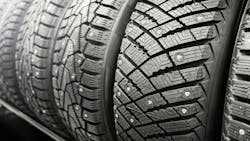
Studded tires, which have been around since the 1890s, have been a controversial topic for decades in the United States.
Studies show that studded tires are beneficial for providing traction for drivers on icy and snowy roads, but modern winter and all-weather tires have features that add extra layers of safety and grip.
Detractors claim studded tires can impact road safety and damage, causing many states to implement their own laws covering when studs can be driven on the road.
MTD recently reported The Washington State Transportation Commission is calling for a phase-out of studded tires in Washington, citing cost savings and road maintenance as benefits.
“Engineering research indicates that tire studs damage hot mix asphalt and concrete pavements, wearing away the pavement and eventually forming ruts on the pavement surface,” the commission stated.
The Tire Industry Association released an online training resource in 2013 outlining installation guidance and the safety advantages of using winter and studded tires on passenger and SUV/LT vehicles.
As time passes, it’s likely that states will continue changing their stances on studded tires. If you’re a tire dealer that installs studs on your customers’ tires, it’s important to know your state’s specific laws and educate your customers on those policies.
Are studded tires banned or restricted in your state? Here’s a breakdown of all 50 states, by region, and their policies on studded tires, including when they’re permitted and when they’re not.
The Northeast
Connecticut
In Connecticut, drivers can be on the road with studded tires from Nov. 15 to April 30, according to Connecticut law. This is to ensure that drivers are equipped to travel safely during the winter. Like many states, the laws around studded tires in Connecticut don’t apply to certain emergency vehicles or road-making machinery, but if an ordinary driver is caught using studded tires outside the acceptable period, they would receive an infraction citation for the first offense and potentially up to $200 in fines for future offenses.
Delaware
In Delaware, all vehicles are permitted to use studded tires on roads and major highways between the accepted period of October 15 through April 15. This timeframe is to make sure drivers are prepared to take on snow and ice while driving, as Delaware law states. The state also permits tire chains to be used on vehicles to help control sliding or skidding on the road when winter weather is more extreme.
Maine
Maine prohibits the use of studded tires from May 1 to Oct. 1 and allows their use on roads outside of this period. Law enforcement will issue fines if drivers are caught with studded tires outside of the acceptable period. The law doesn’t apply to necessary vehicles, such as emergency vehicles and school buses. In special circumstances, the state’s commissioner of transportation can issue a permit for extended use of studded tires to a driver for a fee and the driver must carry their permit in a convenient place in their vehicle. Winters in Maine can range from more mild temperatures in coastal areas to more extreme weather and snow in more inland areas, which makes extra traction on the roads more necessary.
Massachusetts
Powerful snow storms and ice can blast through this state, causing roads to become slippery and unsafe. Studded tires are allowed in Massachusetts, but only from Nov. 1 through April 30, according to state laws. Having studded tires on a driver’s vehicle outside these months can result in fees up to $50. These guidelines correlate with the often frigid weather during cold months, making sure drivers can have optimal traction while preserving road wear through the year.
New Hampshire
Due to numerous changes to state laws across the country, it's somewhat unclear what New Hampshire's official studded tire law is. At one time, the state allowed studded tires during certain months, such as from the beginning of November through the start of spring. However, Town Fair Tire, which has over 120 locations across New England, has found studded tires are now permitted without specific restrictions. Dealers should check with state laws for official guidance.
New Jersey
New Jersey allows studded tires to be used on roads and public highways between Nov. 15 and April 1, according to a resource from Cornell University. While they’re allowed to be installed on passenger vehicles, light trucks, motorcycles and buses during this period, studded tires are mainly prohibited on larger commercial vehicles.
New York
Winter in New York can bring freezing temperatures, frequent blizzards and icy roads. Studded tires are generally accepted from around Oct. 16 through April 1, according to the state’s DMV website. If drivers are caught with studded tires outside this accepted period, they can face a traffic infraction citation or a fine. Certain vehicles, such as emergency trucks or school buses, can be on the road with studded tires outside the permitted dates.
Pennsylvania
Recognizing the usefulness and extra traction that studded tires provide on the road, Pennsylvania allows the use of studded tires from Nov. 1 through April 15. The governor may extend the period that tire studs are permitted by executive order if conditions on highways during the winter may impact safety.
Rhode Island
Due to Rhode Island’s often hazardous conditions on major roads during the winter, the country’s smallest state allows studded tires from Nov. 15 through April 30, correlating with typical weather patterns. According to a post from the Rhode Island Directory, studded tires are only allowed on vehicles weighing less than 8,500 pounds. Drivers who are permitted to have studs must have them installed on every wheel, if they choose to use them.
Vermont
While it’s been somewhat unclear of Vermont’s exact policies around studded tires, they are widely acceptable during winter months, which usually last between November through April. Because of icy conditions that create slick roads and highways, the traction of studded tires offers extra protection. If you’re a tire dealer in Vermont, it might be important to watch the activity of the Vermont Legislature’s H.162 bill introduced in 2023, which seeks to ban the use of studded tires on highways, with certain exceptions, outside the acceptable dates of Nov. 1 to May 15.
The Midwest
Illinois
While some states ban studded tires for an extended period of the year, Illinois generally forbids their use on roads and highways, except under special circumstances. Studded tires are allowed on designated snow routes, which are usually marked with signs, and on private property throughout the state. Like other states, emergency vehicles are also permitted to have studded tires on roads.
Indiana
Indiana accepts the use of studded tires on the road from Oct. 1 to May 1 as long as specific requirements for vehicles are met. State law requires that the studs on a tire must be made of wear-resisting material. Other conditions for studs are that their projections cannot exceed 3/32- inch beyond a tire’s tread and the studs’ design has to prevent serious damage to the road.
Iowa
Iowa allows studded tires on public roads between Nov. 1 and April 1, as long as drivers abide by certain regulations. As the Iowa Legislature outlines, pneumatic tires with ice grips or tire studs projecting no more than 1/16-inch beyond the tread can be on the road between the permitted period. Special exceptions include emergency vehicles and school buses, which are allowed to use studded tires throughout the year to maintain safety.
Kansas
Kansas permits metal studded tires to be installed on passenger vehicles only between the dates of Nov. 1 and April 1 and the studs have to meet particular standards to make sure they won’t damage the state’s roads. According to the Kansas Secretary of State’s website, the tungsten tip of the stud cannot project less than .040 inch or more than .090 inch above the surface. Additionally, the device that the studs are attached to cannot extend less than 12 inches when measured along the circumference of the tire. The laws also require studs to be securely attached, so they don’t fall off the tires or damage other vehicles on the road.
Michigan
Famous for its lake effect snow, Michigan can resemble a winter wonderland during the months of November through March. Similar to Illinois, Michigan largely bans studded tires on public roads and highways in an effort to prevent severe damages that they can cause. As detailed by the Michigan legislature, specific vehicles used for mail delivery or emergency services may be allowed to run studded tires during specific months if they meet certain standards.
Minnesota
In general, Minnesota bans the use of metal studded tires on public roads, but there are a few exceptions that allow some vehicles to operate with studs. The Minnesota legislature says out-of-state vehicles driving "occasionally" through the state can have studded tires, as long as they meet specific standards. For example, the metal studs and their casings can’t surpass 5/16-inch in diameter and the average protrusion of the tire’s stud can’t be more than 7/64-inch. These strict guidelines come as the state works to combat road damage that many believe can occur from the excessive use of studded tires.
Missouri
In Missouri, drivers are allowed on the road with studded tires between Nov. 1 and March 31 to help navigate extreme icy and snowy conditions. Between April 1 through Oct. 31, any driver caught driving with studded tires can face infractions or fines. If you’re a tire dealer in this state, it’s important to make sure your customers and team members are aware of these laws. More information on the regulation of studded tires can be found on the Missouri State Highway Patrol’s website.
Nebraska
Nebraska permits studded tires on roads and highways only between Nov. 1 and April 1 and the studs have to meet certain requirements to meet rigorous safety standards, according to the Nebraska Legislature. Tire studs cannot exceed 5/16-inch in diameter, “inclusive of the stud-casing with an average protrusion beyond the tread surface of not more than 7/64-inch,” the law states. Like many states, Nebraska also allows school buses, mail carrier vehicles and emergency vehicles to use studded tires during any period of the year.
North Dakota
Studded tires are legal on the roads of North Dakota from Oct. 15 through April 15 every year with several regulations. As North Dakota law states, studded tires cannot project more than 1/16-inch beyond a tire’s tread, making sure they provide drivers with optimal grip on the road while preventing excessive damage to the surface of highways.
Ohio
Studded tires are permitted in Ohio from Nov. 1 through April 15, aligning with usual winter weather throughout the state. Certain exceptions to these laws include public safety vehicles and school buses, which may follow other regulations for studded tires. Additionally, drivers with retractable studded tires can operate on the roads throughout the year, as long as the studs are retracted, and they must meet the seasonal restrictions when the studs are extended.
South Dakota
Similar to North Dakota, South Dakota allows motor vehicles to be equipped with pneumatic tires with metal studs from Oct. 1 to April 30, aligning with typical winter weather experienced in the state. Certain vehicles, such as school buses and emergency vehicles, with a gross weight of over 5,000 pounds are allowed to drive with studded tires year-round, according to the South Dakota Legislature.
Wisconsin
In Wisconsin, tungsten carbide studded tires can only be used on certain vehicles between Nov. 15 and April 1 and their general use is prohibited. Acceptable vehicles for using studded tires include emergency vehicles, school buses and mail trucks, according to the Wisconsin Legislature. These restrictions are largely in place because of growing concerns over the damage studded tires can cause to road surfaces.
The South
Alabama
In general, winter months in Alabama are typically tame and wet, with occasional frosty weather in the northern parts of the state. Because of this, studded tires are largely banned, but they could be briefly permitted on roads only if the state says they are necessary for the safety of drivers.
Arkansas
During winter months in Arkansas, temperatures and weather patterns can fluctuate, bringing sporadic freezes and occasional snow with mixed icy conditions. As laws outline, studded tires are acceptable between the dates of Nov. 15 and April 15 with special requirements. Studs on tires are not allowed to stick out more than 1/16-inch and there are some conditions that allow studded tires to be used for specialty vehicles, such as farming equipment tractors, outside the acceptable period.
Florida
During winter months, Florida sees mild temperatures often ranging in the 60s and 70s and plenty of sunshine, making the appearance of snow in the state very rare. Studded tires are largely banned in the state. In some circumstances, rubber studs can be used for some farm and construction equipment, but metal studs of any kind are prohibited.
Georgia
While much of the state only receives light to moderate periods of snowfall each year, some northern regions of Georgia can receive up to 100 inches of snow annually, according to the National Weather Service. As outlined in state laws, drivers are allowed to equip metal-studded tires only when winter weather conditions demand enhanced traction on roads. The Georgia Department of Public Safety may close or limit access to some major highways if severe weather conditions become unsafe.
Kentucky
Unlike just about every state in the U.S., Kentucky has very loose standards for the use of studded tires on its roads. While the state allows drivers to operate with studded tires as they need them to prevent them from slipping during winter weather, Kentucky doesn’t have specific seasons that studded tires are permitted. Officials advise drivers to check with local policies for specific seasonal or vehicle-related guidance.
Louisiana
Winters in Louisiana are usually mild, with typical temperatures ranging in the 40s and 50s and rare snow and ice events. In general, the state bans metal studded tires throughout the year because of how infrequent severe winter weather is. In absolutely necessary conditions, Louisiana allows temporary use of rubber studded tires or tire chains for safety.
Maryland
In Maryland, the law says that studded tires for snow are only permitted for vehicles registered in Allegany, Carroll, Frederick, Garrett and Washington counties from Nov. 1 through March 31, aligning with usual weather experienced during these months. Standards are also set for studded tires to make sure roadways don’t endure severe damage and that safety conditions are met.
Mississippi
In Mississippi, winter is usually mild and brief, but temperatures near northern parts of the state can become colder. Mississippi bans studded tires for general use year-round under most state traffic laws. Since the state usually doesn’t get prolonged periods of extreme winter, the potential damage studded tires can cause outweighs most benefits for drivers.
North Carolina
North Carolina law says vehicles can have rubber studs on the road when winter weather warrants it. Additionally, vehicles used to operate farm machinery are allowed to use studded tires as long as the protuberances don’t cause significant damage to roads. The law states, "It shall be permissible to use upon any vehicle for increased safety, regular and snow tires with studs which project beyond the tread of the traction surface of the tire not more than one sixteenth of an inch when compressed."
Oklahoma
As other states outline in their laws, Oklahoma seasonally permits studded tires to be used on roads between Nov. 1 to April 1. According to the law, tires must have ice grips or studs projecting no more than 1/16 -inch beyond the tread. If drivers do not remove studded tires after the acceptable period, they can face fines and penalties.
South Carolina
In South Carolina, the law allows most vehicles to use studded tires during winter weather periods when extra traction and grip on major roads and highways are essential to keeping conditions safe. With this in mind, regulations require that the use of studs meets specific guidelines to ensure they won’t cause severe harm to the roads. For example, studs cannot project from the tire surface more than 1/16-inch when they’re compressed.
Tennessee
Tennessee permits seasonal use of studded tires, allowing drivers extra protection on the road while making sure highways don’t sustain extensive damages. Typically, studded tires are accepted in the state from Nov. 1 through April 1 for vehicles with a gross vehicle weight under 9,000 pounds. There are also limitations on the size of studs and there can be exceptions for school buses and emergency vehicles.
Texas
The Texas Transportation Code largely bans metal-studded tires, with emergency exceptions for the use of tire chains and rubber studs on specific vehicles, such as school buses and emergency vehicles, between Nov. 1 and April 1. For added grip on highways when weather conditions become more dangerous, officials recommend using studless winter tires or chains.
Virginia
Winter weather in Virginia can fluctuate, typically carrying a range of light snow in more coastal areas to more chilly conditions with usually heavier snow near the mountains. In the state, studded tires are allowed on roads from Oct. 15 to April 15 with strict guidelines. Studs are not allowed to project more than 1/16-inchh beyond a tire’s tread. Also other parts of the tire, such as any blocks or spikes, cannot stick out from the tread. Exemptions can be available for emergency and Department of Transportation vehicles under certain circumstances.
West Virginia
The laws in West Virginia say studded tires are acceptable on the roads from Nov. 1 to April 15, but under crucial conditions. With the exception of school buses, all vehicles must have tire pressure at or below 40 psi for studded tires to be legal. These regulations are to ensure drivers can have enhanced traction while protecting highways from becoming damaged from the excessive use of studs.
The West
Alaska
In Alaska, studded tires are allowed for most passenger vehicles, trucks and motorcycles during certain periods that are dictated by the state’s geographic areas. Studded tires are permitted from Oct. 1 through April 14 in areas south of 60 degrees North Latitude, while the legal period for areas north of 60 degrees North Latitude is Sep. 16 through April 30. According to the law, operating a vehicle with studded tires outside these periods can result in financial penalties. Emergency orders may be issued to briefly extend studded tire policies during unpredictable winter storms.
Arizona
Since winters in Arizona vary by region – where southern parts of the state experience sunny skies and warmer temperatures and northern areas can endure cold temperatures and frequent snowfall – studded tires are allowed for an extended period. From Oct. 1 through May 1, drivers can be on the road with studded tires when conditions require added traction during the winter. The Arizona Department of Transportation dictates when studded tires can be used on the roads and has the power to extend the legal period if snowy or icy weather grows stronger.
California
Studded tires in California can be used from Nov. 1 through April 30 under certain regulations to protect driver and road safety. Studded tires on all vehicles must follow strict guidelines under California Vehicle Code Section 27454. Under the law, studded tires must be made out of tungsten carbide or a similar material and the percentage of metal in contact with the road can’t exceed 3% of the total tire area. In California, studded tires are not considered alternatives to chains and drivers are required to carry chains in parts of the state where chain control laws are activated.
Colorado
Colorado’s laws say studded tires are permitted on passenger vehicles and light trucks under a certain set of conditions. The studs cannot protrude more than 1/16-inch and they’re not always required during winter weather. Instead, the main rule in the state is the Colorado Department of Transportation’s Traction Law, which requires all vehicles to have proper winter or all-weather tires with at least 3/16-inch of tread depth on certain mountain roads or use chains. While Colorado offers drivers the option to use studded tires, the state strongly enforces its Traction Law when snowy and icy conditions bring added safety hazards to highways.
Hawaii
Hawaii winters offer a stark contrast to many parts of the U.S. and are full of sunny days and warm temperatures often in the 70s and 80s. Since the state rarely experiences extreme snowy conditions, Hawaii largely bans any clamps, spikes, studs or other protrusions on tires while driving on roads and highways, with the exception of the Mauna Kea access road above Hale Pohaku and other roads within the Mauna Kea Science reserve.
Idaho
In Idaho, studded tires are legal from Oct. 1 to April 30 annually and are banned on highways from May 1 to Sep. 30. According to state law, studded tires must be removed by April 30 to avoid a fee. State officials strongly advise drivers to remove them by this date to avoid serious damage to dry pavement.
Montana
According to the Montana Department of Transportation, studded winter tires are permitted from Oct. 1 to May 31. The law also says that "one of those tires may be used for a spare in case of tire failure." The Department of Transportation also says that "school buses equipped with such tires are permitted from Aug. 15 to June 15 of the following year."
Nevada
In Nevada, studded tires are only legal during certain winter months. The state follows strict guidelines to help mitigate road safety and minimize potential damages to highways. Studded tires are only permitted on roads from Oct. 1 through April 30 and drivers must remove the studs by May 1 with certain exceptions for some commercial vehicles. Tires with retractable studs are allowed year-round, but they have to be disengaged from the months of May through September, according to the law.
New Mexico
While countless states follow strict seasonal guidelines for studded tires with specific date restrictions, New Mexico’s laws are fairly loose. The state allows drivers to use studded tires when winter weather requires added safety. Officials urge drivers to use studded tires responsibly and to remove them when the weather changes to avoid damaging the pavement.
Oregon
As outlined in Oregon’s laws, studded tires are only acceptable from Nov. 1 through March 31 every year. Drivers who are caught on the road with studded tires outside the legal period can face strict fines up to $200. The Oregon Department of Transportation recommends using studded tires only when brutal winter weather requires them for safety.
Utah
In Utah, studded tires are legal only from the dates of Oct. 15 through March 31, but the state also enforces specific traction laws in certain areas during extreme winter weather. During periods when Utah’s Department of Transportation activates the state’s Traction Law on certain canyon roads, all vehicles must have approved snow tires or traction devices for added safety when roads become slippery and icy.
Washington
As MTD recently reported, the Washington State Transportation Commission is recommending a phase-out studded tire use in the state due to cost savings and road maintenance. Pointing to “affordable snow tire alternatives available today that provide an even higher level of safety,” state officials are urging Washington’s current studded tire fee to be increased from $5 to $50 per tire. The commission also states that “within five years of this fee increase, studded tires should be prohibited.” Historically, Washington allowed studded tires to be used on roads until 1971, when lawmakers limited their use to Nov. 1 through April 1 each year. Damages to roads have been a major concern and this effort is a major step that could cause a rippling effect across the country.
Wyoming
Wyoming’s laws on studded tires also appear to be very loose, as the state allows drivers to use them year-round. However, the state recognizes that studded tires are safe mostly during winter months and tire chains can become required during severe winter weather when conditions warrant their use.
About the Author

Aden Graves
Associate editor
Aden Graves is MTD's associate editor. A graduate of Kent State (Ohio) University's award-winning School of Media and Journalism, Graves holds a bachelor's degree in journalism and another bachelor's degree in communication studies.