Light Truck Tire Trends Are Creating New Opportunities for Dealers
What Tire Dealers Should Know
- A/T remains the foundation of the LT market, while R/T demand continues to grow as drivers look for aggressive styling with better on-road manners.
- Fitment complexity is increasing. Larger wheel diameters, higher load capacities, CUV/SUV applications, EV trucks and 3PMS-rated products are expanding the dealer’s product screen.
- Application matters more than category alone. Dealers should ask how customers commute, tow, haul, work or drive off-road before recommending a tire.
- Value does not always mean lowest price. Buyers are weighing tread life, ride quality, load capacity, appearance, weather performance and overall ownership cost.
- Product knowledge can protect margin. Explaining the trade-offs between H/T, A/T, R/T and M/T tires can move the conversation beyond size and price.
- For a quicker take on the biggest dealer-focused findings, listen to The Modern Tire Dealer Show, where MTD Managing Editor Sara Welch distills nearly 10,000 words of manufacturer insight into a discussion of the key LT tire trends and sales opportunities in under 27 minutes.
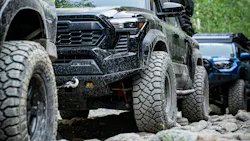
The light truck (LT) tire market is giving dealers more to sell — and more to explain.
Not long ago, light truck tire selection largely revolved around three familiar categories: highway-terrain, all-terrain and mud-terrain. Today, those boundaries have expanded into a much broader spectrum of products designed around increasingly specific combinations of appearance, capability, comfort, durability and vehicle use.
All-terrain (A/T) tires now range from mild, pavement-oriented designs to more aggressive off-road offerings. Rugged-terrain (R/T) and extreme-terrain (X/T) products occupy the growing space between A/T and mud-terrain (M/T) tires, giving consumers the aggressive look and added capability they want.
At the same time, the light truck tire market is expanding beyond conventional pickup truck applications. Larger wheel diameters, higher load capacities, CUV and SUV fitments, commercial vans, last-mile delivery vehicles, electric trucks and growing demand for 3-Peak Mountain Snowflake (3PMS)-rated products are adding more sizes, specifications and performance considerations to the dealer’s product screen.
Consumers, however, do not always enter the showroom thinking in terms of tire categories. They may want a tire that makes their truck look more capable, remains quiet during a daily commute, supports occasional towing, performs confidently in winter and lasts long enough to justify the purchase. In many cases, they are asking one tire to satisfy several competing priorities.
For independent tire dealers, the market’s complexity becomes the dealer’s opportunity.
Tire manufacturers say A/T remains the foundation of the LT category, while R/T demand continues to grow as drivers seek a more balanced combination of on-road refinement and off-road capability. Buyers also remain highly conscious of price, but that does not mean they are only interested in the least expensive option. They are weighing appearance, tread life, load capacity, ride quality, all-weather performance and long-term ownership value.
As the LT tire market divides into more sub-categories, fitments and performance combinations, dealers can turn that complexity into margin by matching tires to how customers actually use their vehicles. The dealers who ask the right questions, understand the trade-offs between products and explain why a particular tire fits can move the sale beyond size and price and position themselves as trusted application experts.
A wide range of LT tire manufacturers and suppliers recently discussed LT tire trends and LT tire demand drivers with MTD.
MTD: What trends are you seeing in the light truck tire market in 2026, and what factors are driving demand?
Brandon Stotsenburg, vice president, American Kenda Rubber Industrial Co. Ltd.: The continuing sub-segmentation of tires is unrelenting. Take the size 265/70R17, for example — first found on an F-150 in 1997. Right now, you can buy that size in a standard touring tire, grand touring, grand touring with 3PMS, CUV touring, CUV touring with 3PMS, highway-terrain with or without 3PMS, commercial highway-terrain, light all-terrain, on-road all-terrain with or without 3PMS, off-road A/T with or without 3PMS, commercial A/T, rugged-terrain with or without 3PMS, max-traction off-road (M/T), winter and stud-able winter designs. The delineation between tires with 3PMS and without is starting to matter less, but there is still a marked difference in perception and performance in many segments.
275/60R20 is a more recent size and is segmented much the same as 265/70R17. Nearly 20 segments exist for those popular sizes. Kenda has embraced 3PMS in many passenger and light truck segments and has embraced the proliferation of segments that offer drivers a specific performance advantage.
The popularity of CUVs has birthed more fitments with all-terrain designs. Many vehicle manufacturers are offering CUVs with off-road trim packages and OE all-terrain tires. However, many consumers were upgrading their vehicles for “soft-roading” long before the OE (providers) caught up. In response, some tire manufacturers have started to simply include CUV sizes in their current A/T offerings. Other manufacturers, like Kenda, have developed new A/Ts, so CUV owners have a performance option that matches their on/off-road lifestyle.
The EV truck trend in the past couple of years has given rise to more 22-inch to 24-inch OE tire sizes. Both LT-metric and Euro-metric tires are represented on these trucks. While the overall registration numbers are not large yet, don’t be surprised when a truck rolls up needing 285/40R24, LT265/60R22 or LT275/50R24.
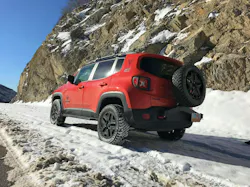
Michael Mathis, president, Atturo Tire: The light truck tire market is still the hottest spot in the industry. Several factors are helping to lead this segment to even higher levels. These factors are the rise of the CUV, expansion of size/pattern mix and the strengthening of core sizes.
The CUV segment may not use true LT-rated tires in many cases, but it is a driving force in both OE replacement and aftermarket tire sales that touches on this segment. These are the most popular category of vehicles on the road today. Selling to CUV owners is similar to (selling to) a pickup driver in the variety of tread patterns they now have to choose from. Knowing the options for these vehicles, when and how to present them to (the) consumer is a critical profit opportunity for dealers. Having a variety of tread patterns to offer in 225/65R17, 235/60R18 and 245/50R20 is very important to serving this segment. Similar to a true LT tire, this means being able to offer a standard all-season touring replacement, a highway tread with 3PMS and deeper tread, all-terrain and even hybrid patterns. The expansion of sizes continues, but the cross-growth in the number of patterns each size may require is another trend of the market.
Finally, the core of the LT market is centered around a handful of metric and floatation sizes. These continue to hold their position in popularity and even grow. The 33-inch and 35-inch floatation sizes across rim diameters in A/T, hybrid (R/T and X/T) and M/T patterns should be a regular part of every dealer's product screen. This may not be a new trend, but it is a consistent one that cannot be ignored.
Andrew Pallotta, senior, product planning and development, consumer replacement product strategy, Bridgestone Americas Inc.: Trends from 2025 remain influential in the 2026 light truck tire market — most notably, with demand driven by value. In the current economic climate, affordability continues to be a key factor and meeting the customer's expectations with premium products at the right price level is a critical goal. Providing the right capability is also important for ensuring the most suitable tire for the specific task, whether that task is as complex as maintaining 24/7 reliability for a service fleet or as simple as just driving into the office in your personal vehicle.
Ryan Parszik, product planning manager, Dunlop Tires North America (DTNA): The market has been off to a slow start in 2026, but consumers are keeping their current vehicles longer and will still need to make a tire purchase. When consumers do replace their tires, more aggressive tires are the preferred choice, with the biggest growth coming from A/T- and R/T-type products. The A/T and R/T products have a mileage warranty and the mileage warranty keeps increasing, making the purchase an easier choice.

Joshua Benson, vice president, First Choice Sourcing Solutions: The LT tire market is getting more complicated at the fitment level. Dealers are dealing with larger wheel packages, heavier pickups and SUVs, more OE-inspired plus sizing, more towing and payload sensitivity and customers who want a tire that looks more aggressive than how they actually drive. A/T remains the lion's share of the category, but R/T is gaining attention because it gives many consumers the curb appeal they want without moving all the way into the M/T space. That is pushing demand toward products that can deliver the visual upgrade consumers want, while still managing the basics that matter after the sale: ride, noise, load capacity, wet traction, winter confidence and tread life.
Minoo Mehta, CEO, Foreign Tire Sales: The light truck tire market continues to be one of the strongest segments of the replacement tire business in 2026. Consumer demand remains healthy, driven by the ongoing popularity of pickup trucks, SUVs and crossover vehicles, which continue to represent a significant share of new vehicle sales. Replacement demand is also steady as consumers are holding onto their vehicles longer and putting more miles on them. Industry forecasts project modest growth in both OE and replacement LT tire shipments this year.
One of the biggest trends I am seeing is continued demand for all-terrain and rugged-terrain tires. Many truck owners use their vehicles as daily drivers, but still want a more aggressive appearance and the flexibility for towing, outdoor recreation and light off-road use. This has made the R/T category one of the fastest-growing segments because it offers a balance between highway comfort and off-road capability.
Another important factor influencing the market is supply chain diversification. Importers have shifted sourcing toward countries such as Vietnam, Thailand and Indonesia to reduce reliance on China and better manage tariffs. While this has improved product availability, tariff policies continue to influence pricing strategies and brand competitiveness. Dealers are paying closer attention to country of origin when selecting suppliers, making consistent inventory and stable pricing increasingly important.
We're also seeing customers place greater emphasis on value rather than simply choosing the lowest-priced tire. Fleet operators and retail consumers alike are looking for products that deliver longer tread life, improved fuel efficiency and dependable performance.
Finally, technology continues to shape the LT market. Manufacturers are introducing tires designed for heavier electric pickups and SUVs, while also improving rolling resistance, durability and ride comfort across traditional LT applications. Although EV-specific LT tire demand is still developing, manufacturers are preparing their product lines for future growth.
Overall, I expect the LT tire market to remain resilient throughout 2026. Dealers that maintain a broad product mix, reliable inventory and competitive pricing will be well positioned to capitalize on continued demand from both work truck and lifestyle consumers.
David Poling, vice president, R&D and technical, Giti Tire (USA) Ltd.: For 2026, the light truck U.S. tire market shows steady growth, with stronger long-term momentum compared to pre-pandemic levels. This growth is a mix of OE units and aftermarket replacement options, especially in the rugged-terrain and all-terrain categories that reflect similar market trends in vehicles sold. This trend continues as one of the most consistent performers for the tire market, fueled by lifestyle use that has persisted and continues to expand as vehicle production increases offerings for other-than-urban environments. We see this growing consumer preference for pickups, SUVs and light trucks for work, towing, recreation and overlanding activities. These vehicles are also now running up higher mileage counts through more varied conditions, accelerating tire wear and replacement cycles.
Outside of these lifestyle LT tire choices, there is a growing demand for fleet applications. There is a shift toward more intentional, specialized inventory focused on efficiency and longevity. This requires a push in technology for longer-lasting compounds, more eco-friendly materials and safety. Much of this stems from the e-commerce expansion and delivery services, which favor durable LT tires optimized for frequent stops, varied loads and efficiency.
Jonathan Thomas, senior director of channel and customer development, Goodyear Tire & Rubber Co.: The North American light truck tire market has been a growth driver for the replacement industry, with sell-in volumes increasing about 2% since 2019 and nearly 5% from 2023-2025, outpacing the broader market. While 2026 is tracking more in line with the overall market slowdown experienced in the first half of the year, the segment remains supported by long-term vehicle and consumer trends.
One of the fastest-growing areas is C-type tires, driven largely by continued growth in last-mile delivery fleets and e-commerce activity. At the same time, all-terrain tires remain the largest and most popular light truck segment, benefiting from consumers' desire for tires that balance everyday on-road performance with off-road capability. Demand also remains strong for highway-terrain and rugged-terrain products that address specific driving and styling preferences.
Consumer preferences continue to shift toward higher-performance products. Demand for higher load-carrying capability has increased significantly, with load range F tires growing from less than 2% of the market in 2019 to nearly 6% in 2025. Speed ratings are also trending upward, with T-rated tires now representing more than 40% of the market as consumers increasingly seek products that deliver enhanced performance beyond original equipment specifications. Much of this shift is being driven by replacement tire buyers rather than OE fitments. Consumers are actively upgrading to tires with greater load capacity, higher speed ratings and broader performance capabilities than those that originally came on their vehicles.
Underlying these trends is the continued growth of the pickup, SUV and commercial van vehicle parc. Over the past decade, these vehicle types have increased from roughly 20% to 30% of new light vehicle sales, reaching approximately 31% year-to-date in 2026. As more of these vehicles enter the market, they continue to expand demand opportunities across the light truck tire category.
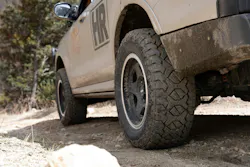
David Wang, managing director, Gripmax Tires Inc.: The U.S. light truck tire market continues to grow steadily, with demand shifting toward higher-value, premium products. Key trends include strong growth in all-terrain and rugged-terrain tires, greater emphasis on aggressive styling and sidewall design and continued strength in the replacement market, supported by an aging vehicle fleet.
Demand is being driven by the popularity of pickup trucks and SUVs, increased vehicle customization and aftermarket upgrades and growth in overlanding, camping, towing and outdoor lifestyles. Consumers are looking for tires that combine on-road comfort, off-road capability and long-lasting performance.
Robert Nasca, product and training manager, Hankook Tire America Corp.: The biggest trend we're seeing in the light truck market is that consumers are becoming much more selective, carefully evaluating the trade-offs between performance, ride comfort, tread life, fuel efficiency and overall value before making a purchase. All-terrain and highway-terrain tires remain the foundation of the category. Still, demand continues to shift toward application-specific products that match how customers actually use their vehicles, whether it's daily commuting, towing, jobsite use or outdoor recreation. Today's buyers are looking for the right tire for their application, not simply the most aggressive tread pattern.
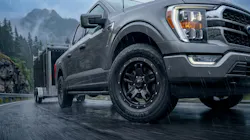
Shawn Denlein, president of sales and marketing, Kumho Tire U.S.A. Inc.: The light truck tire segment is being shaped by an increasingly diverse vehicle mix. SUVs, pickups, CUVs and new OE fitments continue to drive demand, while larger wheel diameters and more specialized sizing requirements are adding complexity to product assortments.
Demand is also being influenced by how consumers use their vehicles. Towing, hauling, outdoor recreation and off-road driving continue to support growth in premium and specialty light truck tires, extending demand beyond traditional highway-focused products. Electric trucks are adding another dimension to the market. These vehicles create new expectations around load capacity, tread wear, road noise and efficiency, leading to increased interest in tires that can support heavier vehicle weights without compromising range or ride comfort.
Seasonality remains an important factor, as well. Depending on the region and time of year, consumers may shift toward more aggressive tread patterns, all-season options or tires designed to perform in wet, cold or mixed driving conditions.
Patrick Hyland, senior director of sales, Landscape Durable Tires: In 2026, Landscape Durable Tires observed a continued migration of demand from M/T to R/T designs as consumers are demanding an off-road tire with better on-road manners and performance. Even though most M/T tires today are designed with tread block pitch variation, which helps to reduce pattern noise, their greater void areas are louder, in general, than R/T designs. Wear patterns are improved with the R/T as well, which usually has a lower void ratio, leading to longer wear. In the past, M/T tires exhibited more rapid wear, cupping or heel/toe wear and unacceptable levels of vibration and noise. While many of today’s M/T tires show improvement in these areas with better construction, more robust compounds and improved designs, there is still a migration towards the R/T tire.
Adam Homan, RE development engineer, Linglong Tire Americas: In 2026, the U.S. light truck tire market is experiencing modest but steady growth, shaped by commercial demands and shifting consumer preferences. (Trends include) e-commerce and last-mile delivery services. Delivery vans are subjected to severe urban driving conditions, which cause tires to wear out much faster than on personal vehicles. This demand is creating a robust market for durable, specialized tires. The addition of electric delivery vans is adding another layer of demand. These vehicles are heavier and have high torque, which can accelerate tire wear and require low rolling resistance to maximize range.
The consumer side of the light truck tire market is being heavily influenced by economic pressures. Many buyers are shifting their preferences, moving away from premium (tier-one) and mid-tier (tier-two) brands towards less expensive options that still provide performance.
The emergence and rapid growth of R/T and X/T segments represent one of the most significant shifts in the U.S. light truck tire market. Industry data shows that R/T has already surpassed the traditional M/T segment in size. The main driver is consumer demand for a tire that combines key attributes without the compromises of traditional categories. R/T and X/T tires perfectly fill the gap between A/T and M/T tires. They offer the aggressive, off-road styling and off-road capabilities, but with on-road comfort, quieter ride and better handling, which answer consumer needs for both daily commuting and weekend adventures.
Pete Winters, national sales director, Nama Tires Inc.: The light truck tire market demand has seen significant growth over the past several years and all projections signify this will continue throughout 2026 and beyond. There are several factors driving this expansion, including the addition of new OEM products in both SUV and light truck models. Increased popularity in these models, the expansion of EV brands and larger diameter fitments have spearheaded growth in the light truck tire market.
Dealers are now faced with proving the availability of a broadening market to meet individual customer needs. With the evolution of entry-level and mid-tier tire quality, customer demand for these options is dominating the marketplace as consumers can now purchase high-quality tires at a very affordable price point.
John Hagan, executive vice president of sales, Nexen Tire America: Light truck tire demand is still robust and the numbers back that up. Pickups, SUVs and CUVs continue to dominate new vehicle sales and as those vehicles age, they continue moving into the replacement market. That is one reason the LT tire category remains one of the steadier parts of the tire business. North America accounts for close to a third of global SUV and light truck tire demand and we do not see that share shrinking.
We’re seeing strong interest in rugged-terrain tires because they offer a practical balance of everyday ride comfort and off-road capability. Towing, overlanding and recreational use have become lasting lifestyle trends, while commercial fleets and last-mile delivery vehicles are also creating demand for tires that can handle higher loads and frequent stop-and-go use. That’s why R/T tires are now the fastest-growing segment in the category.
The product mix continues to move toward larger-diameter fitments and more premium, application-specific tires. Regional needs also matter. Snow Belt and mountain markets lean into all-weather or all-terrain performance, while Sun Belt and fleet-heavy regions prioritize tread life and load capacity. Dealers need to build their inventory around how vehicles are actually being used in their market rather than taking a one-size-fits-all approach.

Hans Dyhrman, director of marketing, Nokian Tyres: The light truck tire market continues to be one of the most dynamic segments in the industry and in 2026 we're seeing consumers ask more of their tires than ever before. Today's pickup trucks and SUVs often serve multiple purposes at once — from daily commuting, family transportation, towing and recreation, to off-road adventures. This drives demand for products that can deliver capability without sacrificing comfort.
Newer trucks can accommodate larger tire sizes with little or no additional modifications, making it easier for drivers to use larger wheel packages, lift kits and suspension modifications. As a result, consumers are moving beyond original equipment fitments and exploring a wider range of LT tire sizes and applications. Dealers are increasingly being asked to provide solutions that not only fit the vehicle, but also match the driver's lifestyle and expectations.
At the same time, rising fuel and diesel prices continue to influence purchasing decisions. Whether consumers are driving a half-ton pickup as a daily commuter, towing equipment for work or taking their family on weekend trips, operating costs matter. That is creating increased interest in tires that balance toughness with fuel efficiency. We're also seeing similar expectations from EV truck and SUV owners, who are particularly focused on maximizing driving range while maintaining durability and traction. Consumers don't want to choose between efficiency and capability. They want both. We're seeing strong interest in LT products that provide reliable all-terrain capability while helping reduce rolling resistance compared with more traditional aggressive off-road designs.
Another trend is that consumers increasingly expect a premium driving experience, even from rugged-looking tires. The market has shifted from a simple choice between highway-terrain and all-terrain tires to a much broader spectrum. However, despite the aggressive styling and off-road capability, customers still want low road noise, predictable handling, long tread life and ride comfort. In many cases, they want a tire that looks ready for the trail but spends most of its life on pavement. We're also seeing growing demand for toughness and durability, particularly as truck owners venture farther off the beaten path.
Finally, weather versatility continues to be a key purchase driver. Consumers increasingly want a tire that can handle rain, gravel, dirt, changing temperatures and even snow without requiring multiple sets of tires. That's especially true in northern markets and regions with unpredictable weather patterns. We're seeing that same expectation extend into the light truck segment, where more drivers are seeking year-round capability and products carrying the 3PMS designation.
Overall, the LT tire market in 2026 is being shaped by consumers who refuse to compromise. They want the rugged appearance and traction of an off-road tire, the comfort and efficiency of a highway tire, the durability to handle tough conditions and the versatility to perform year-round. Manufacturers that can successfully combine those attributes are likely to be the ones that continue to win with both dealers and consumers.
Bryce Jones, head of product marketing and training, Pirelli North America Inc.: The light truck tire segment continues to be one of the strongest areas of growth in the replacement market. Consumer preferences have shifted toward vehicles that can serve multiple purposes, from daily commuting to weekend recreation, which has increased demand for tires that deliver year-round performance, long tread life, comfort and confident handling without sacrificing durability. We're also seeing continued growth in CUVs, SUVs and light trucks, along with larger wheel fitments and higher performance expectations from drivers.
Jerry Granito, vice president of sales, Prinx Chengshan Tire North America (PCTNA): At Prinx Chengshan Tire North America, we're seeing strong demand for light truck tires. The shift from M/T to R/T is accelerating as it has been for the past 10 years or so. As more customers realize that they spend most or all their time on paved roads, the need for mud tires is diminishing and they want something more well-behaved on the road. With the H/T patterns, we are hearing from our customers that end users are looking for a true all-weather tire with a 3PMS rating.
Robert Montasser, vice president of North America, Radar Tires: Light truck demand is steady and still climbing. People are keeping their trucks and SUVs longer and putting real miles on them. Within that, two shifts stand out. First, all-terrain has become an everyday tire, not a niche for off-roaders. Truck and SUV owners want one tire that handles the job site, the highway and winter, which is why severe snow-rated all-terrains are growing so fast. Second, high-diameter and oversized fitments keep gaining. The other driver is value. Consumers are watching every dollar, and they are moving toward brands that deliver premium performance without the premium price.
Nick Gutierrez, territory sales and marketing director, Sentury Tire USA: The high-performance all-terrain tire segment is leading the market, followed by X/Ts and R/Ts. Popular full-size truck tire sizes include 35 inches, 37 inches and 40 inches and popular mid-size truck tire sizes are 31 inches, 32 inches and 33 inches. We are also seeing that consumer-owned commercial trucks, cargo vans and delivery trucks are clocking more urban miles, meaning they will need to replace their tires more frequently than in previous years. This demand is also supported by the current trend of extended vehicle ownership. Consumers are holding on to their trucks longer, leading to more replacement tires. The truck tire market (also) has shifted toward more OE-size replacements, with less M/T demand.
Tom Larson, vice president of flag brand management, TBC Corp.: The light truck tire market remains soft in 2026, as tier-two brands face pressure from consumers prioritizing value. As commodity costs continue to rise, consumers are increasingly seeking value-oriented alternatives and lower upfront costs, leading to a migration into tier-four brands and trade brands. Market trends indicate that tier-four and trade brands are the only consistent areas with year-over-year growth in the past three months.
Mark Lindsey, chief strategy officer, Tire Group International LLC (TGI): The light truck tire segment continues to be one of the strongest-performing categories ... with 60% year-over-year growth through the first half of 2026. Demand is being driven by the sustained popularity of pickup trucks, SUVs and crossover vehicles, which remain the dominant vehicle choices for both personal and commercial use.
Consumers are increasingly seeking tires that deliver a balance of durability, appearance and all-weather performance. This has led to continued growth in all-terrain, rugged-terrain and hybrid tire categories that provide off-road styling while maintaining on-road comfort and mileage. Many drivers are looking for versatile products that support both everyday commuting and recreational activities such as towing, camping and outdoor travel.
Another notable trend is the continued shift toward larger wheel diameters and higher-value tire offerings. Vehicle owners are upgrading to premium fitments and expecting enhanced performance, tread life and ride quality. Dealers are also seeing increased demand for load-rated products designed to support heavier vehicles and towing applications.
From a market perspective, value remains important, but consumers are becoming more educated about tire performance and long-term cost of ownership. As a result, brands that offer a strong combination of quality, warranty coverage and competitive pricing continue to gain traction.
Todd Bergeson, deputy director of light truck product planning and technical services, Toyo Tire U.S.A. Inc.: So far in 2026, the continued popularity of overlanding and outdoor recreation is driving the all-terrain segment to outpace other light-truck segments. Complementing the all-terrain segment, the R/T segment continues to grow, as many consumers want to fine-tune their go-anywhere build.
Joe Davis, vice president, Transamerica Tire Co, Ltd.: We’re seeing strong growth in the all-terrain and rugged-terrain segments, driven by customers who want one tire that can handle commuting, towing and off-road use without sacrificing comfort or tread life. Demand is also being shaped by larger fitments, value-conscious buyers who still expect real performance and regional needs for all-weather and severe snow-capable options.
Chris Tolbert, senior director of sales, Trimax Tire: We have been seeing a shift from M/T to R/T and X/T. Consumers want the aggressive appearance and look, but with a lot less noise. With the economy in flux, with higher gas prices and inflation, we see continued price sensitivity. Plus, (we’re) also seeing sizes stabilize to 20 inches 22 inches vs. 24 inches 26 inches.
Vahe Tchaghlassian, vice president, Wholesale Tire Distributors (WTD): The light truck market continues to be one of the strongest and fastest-growing segments in the replacement tire industry. Today's truck owners are looking for versatility. They want a tire that performs well during the daily commute, but is equally capable for weekend adventures, towing, overlanding or off-road use. That shift has driven tremendous growth in the rugged-terrain category, which bridges the gap between traditional all-terrain and mud-terrain tires by delivering aggressive styling and off-road capability without sacrificing everyday comfort and road manners.
We're also seeing consumers invest more in the overall appearance of their trucks. Tires have become a styling component just as much as a performance upgrade, with larger wheel fitments, lifted suspensions and aggressive tread patterns continuing to grow in popularity.
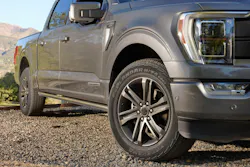
Kevin Nguyen, manager of product planning, Yokohama Tire Corp.: One trend in the tire market is all of the new light trucks and SUVs that are coming with trims that are heavily focused on that off-road lifestyle, whether that be by factory upgraded appearance, suspension or aggressive all-terrain tires. This trend helps drive the demand for all-terrain and rugged-terrain tires as these consumers are looking for a tire that can take them on a weekend adventure while also being their daily driver.
Another trend is larger wheel diameters, such as 20 inches to 24 inches, becoming more popular in the off-road market. A lot of these new light trucks and SUVs are coming with larger wheel wells that allow the owners to upsize their tire options without the need to modify their factory wheels and suspension.
Jeffrey Zhang, general manager of international business, Zhongce Rubber Group Co., Ltd. (ZC Rubber): In 2026, we continue to see strong growth in the U.S. light truck tire market. This is mainly driven by changes in the vehicle market, changing consumer needs and tire technology development. Light trucks, including pickup trucks and SUVs, are now very important in the U.S. vehicle market. Around 80% of new vehicles sold in the U.S. are light trucks and this is directly supporting demand for replacement tires. In the past 10 years, vehicle registrations have also moved more toward trucks, while traditional passenger cars have decreased.
From our view, there are three main application areas driving demand: commercial H/T tires, especially for urban logistics and last-mile delivery; A/T tires for family SUVs and pickup trucks, for consumers who need all-terrain performance; and R/T and M/T tires for off-road SUVs and pickup trucks, especially for modification enthusiasts and drivers who want stronger off-road performance.
For product design, we see several clear trends. Tire sizes are becoming larger. The appearance, especially the shoulder design, is becoming more aggressive. More customers also pay attention to 3PMS certification because they want better performance in snow and winter road conditions.
MTD: What should tire dealers know about selling light truck tires more effectively right now?
Stotsenburg (American Kenda): Segmentation in the light truck market has changed dramatically. It wasn’t that long ago that only H/T, A/T and M/T segments existed, but the change in America from a car culture to a truck culture has had an enormous impact on what consumers want and need. As always, the dealer needs to know if a vehicle is for commuting, showing off, work, play or a combination of multiple uses. A successful tire sale and a satisfied consumer start with qualifying questions. Determine how the truck is being used and where the truck is being used. Fortunately, truck owners often have very specific reasons why the truck they are driving was needed or chosen. They like to talk about their truck and how they use it. Take advantage of it.
Have a “go-to” upsell tire for the most popular vehicle types and driving conditions, like a half-ton pickup that’s a daily driver but goes camping on weekends or a work truck that spends significant time on gravel or unpaved roads or a young guy who wants his truck to look tough or an off-road enthusiast who needs premium performance at a value price. It’s challenging to upsell in a questionable economy when the request is for the cheapest tire in stock. Taking the time to ask a few questions about their needs can pay dividends with happy customers who think you care and are interested in offering a product that handles their needs. There are so many places to buy tires. Don’t let indifference send them to another store or online.
Mathis (Atturo): Dealers can capitalize on the light truck segment by positioning themselves as experts in the category. Stock tires to match your local vehicle fleet and demand. Educate sales staff on how to sell light truck tires by matching the right tire to the vehicle and driver requirements. Know when and how to offer alternative tire types and sizes to the customer. Examine your product screen to be sure you have the right mix of tires in sizes, patterns and price points. Remember that today’s consumer may be looking for value, but that does not mean only a low price. The professional tire dealer will match the consumer's needs, the vehicle and the right tire at the right price to win a sale and a satisfied customer.
Pallotta (Bridgestone): If you compete solely on price, you risk being seen as a commodity. Instead, we encourage dealers to educate customers on the long-term value of investing in premium tires. While they may cost more upfront, premium tires can deliver long-term savings through longer tread life, improved durability, fuel efficiency and other performance benefits compared to lower-cost fitments. Consumer data also shows that drivers are keeping their vehicles longer rather than buying new ones, making premium tires a smart investment. The key is to start by asking customers what they expect from their vehicle in the long run. That conversation helps dealers recommend the right tire for their needs, build trust and create better outcomes for everyone.
Parszik (DTNA): One of the important things for dealers to do is know what the consumer is looking for. Ask them how they are going to use their vehicle and let them know what tires will best fit their needs. The best tire will not be the same for every person based on their needs, so explaining the trade-offs is very important. Also knowing the tradeoff between an H/T, A/T, R/T and M/T is very important because look and off-road performance may be a factor. When you sell a tire and the customer is happy, they will have a positive experience and return to you for any other tire purchases in the future.
Benson (First Choice): The best LT sale often comes down to catching the mismatch before it happens. A customer may be shopping by sidewall or tread design, but the dealer still has to protect the recommendation around load index, wheel package, vehicle weight, towing use, road noise tolerance and regional weather. Dealers who build the conversation around those details can move the customer out of a price-only comparison and into a better tire decision.
Mehta (Foreign Tire Sales): Today's light truck tire customer is more informed and more demanding than ever before, so dealers need to focus on value instead of simply competing on price. First, inventory matters. Dealers who maintain a broad selection of popular LT sizes and tread patterns — especially all-terrain, rugged-terrain and highway-terrain — are in the best position to capture sales. Customers expect immediate availability, and if a dealer doesn't have the tire in stock, they're likely to buy elsewhere. Second, understand your customer. Not every truck owner uses their vehicle the same way. Some prioritize towing and hauling and others use their truck for commuting, while many want an aggressive appearance with occasional off-road capability. Asking the right questions allows dealers to recommend the right tire instead of simply selling the cheapest option.
Third, educate customers on the total value of the tire. A slightly higher-priced tire that delivers longer tread life, better wet traction, improved ride comfort and lower cost per mile often provides greater long-term value than a lower-priced alternative. Building customer confidence through education creates repeat business and referrals. Finally, supply chain stability has become just as important as price. With ongoing tariff changes and shifting sourcing strategies, dealers should partner with suppliers that offer consistent inventory, dependable delivery and stable pricing. Reliability has become a competitive advantage.
In 2026, successful dealers won't simply sell tires. They'll provide solutions. Those who combine product knowledge, dependable inventory and strong customer service will continue to grow their light truck tire business despite an increasingly competitive marketplace.
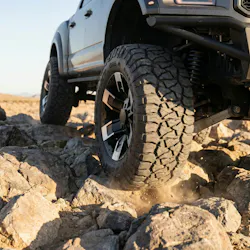
Poling (Giti): The main thing for dealers is to understand the different performance requirements of their customers and to be willing and able to educate them on the performance envelope differences. The main market is essentially now a spectrum from H/T tires to R/T tires and many variations of A/T in between. Some customers will just want to get up and down the highway in complete comfort and quiet and never intend to go off-road. These are obviously your H/T fitments. At the other end of the spectrum are enthusiasts who want the most aggressive-looking tire that still has some on-road manners. That’s the R/T crowd. The tough ones lie in the middle around A/T tires, which come in many different forms, from mild to aggressive. Understanding the customer's use case will help the dealers make the right sale and create a satisfied customer.
Thomas (Goodyear): Selling light truck tires today is far more complex than it was a decade ago. With more tread patterns, performance categories, styling options, price points and fitments available, customers often need greater guidance to make the right choice. The most effective approach still starts with understanding how the customer uses their vehicle. Is mileage the priority? Wet or dry traction? Off-road durability, ride comfort, handling, appearance or a combination of these factors? Understanding those needs allows dealers to recommend the tire that delivers the best balance of performance for that specific customer.
While price is always a consideration, focusing the conversation on the performance customers will experience over the life of the tire often creates greater value. Dealers who position themselves as trusted advisors — not just sellers — are more likely to build loyalty and earn repeat business. Online merchandising is also increasingly important. Clear product images, performance descriptions, ratings and comparison tools help customers understand long-term value before making a purchase decision. Highlighting how a tire is expected to perform in years two, three and four can be just as important as discussing the initial price.
Finally, appearance continues to be a major driver in the light truck segment. Balancing styling preferences with performance requirements and budget considerations gives dealers the best opportunity to sell the right tire for the customer. Ultimately, customers remember how their tires performed long after the purchase and helping them make the right choice is what creates lasting trust and future business.
Wang (Gripmax): Sell the lifestyle, not just the tire. Understand how customers use their trucks — for commuting, towing, overlanding or off-roading — and recommend the right solution. Guide customers to the right tire category. Explain the differences between H/T, A/T, R/T and M/T tires to help customers make confident decisions. Appearance sells. Aggressive tread patterns, bold sidewall designs and larger sizes are major buying factors for today's truck owners.
Focus on value over price. Emphasize durability, comfort, towing performance and all-terrain capability rather than competing on price alone. Build long-term relationships. Expert advice and great service create repeat customers and future upgrade opportunities. Dealers who educate customers, match tires to their lifestyle and deliver a premium buying experience will outperform those who simply compete on price.
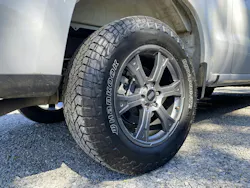
Nasca (Hankook): The biggest opportunity for dealers is to move beyond selling tread patterns and start recommending solutions based on application. Today's light truck tire customer expects expert guidance and dealers who take the time to understand the customer's driving habits, towing requirements, work demands and performance expectations will make better recommendations. The conversation should begin with long-term value, not simply the lowest purchase price. When customers understand the relationship between purchase price, tread life, durability and overall cost-per-mile, they are more likely to choose the tire that truly fits their needs.
Denlein (Kumho): The biggest opportunity for dealers is to sell by application, not just by size. Customers are often easier to convert when tire categories are clearly defined — whether through sidewall branding or the sales conversation — by distinguishing between highway, all-terrain, rugged off-road, mud-terrain, towing, commercial and EV-oriented options. Secondly, education is just as important as inventory. Many shoppers need guidance on load ratings, sidewall strength, tread design, noise levels and the trade-offs between traction, durability, ride comfort and fuel efficiency. Understanding the differences between all-terrain and all-season tires, as well as severe snow-rated options where applicable, can also play an important role in selecting the right product.
The best recommendation ultimately comes from understanding how the vehicle is actually used. A truck driven primarily for commuting, occasional towing and light off-road travel should be matched differently than a dedicated work truck, an EV pickup or a heavily modified off-road vehicle. Dealers can also improve sales by helping set clear expectations. When customers understand both the strengths and trade-offs of a tire, they are more likely to purchase with confidence and remain satisfied with their choice over the long term.
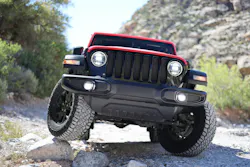
Jason Lee, business development and regional sales manager, Linglong Tire Americas: Shift to consultative value. Dealers should transition from being order takers to performance consultants. Instead of quoting the lowest price, focus on the total cost of ownership. By qualifying the customer's specific needs — distinguishing between the heavy-duty demands of a job-site truck and the comfort requirements of an urban commuter — dealers can upsell high-performance, (as well as) durable options that offer better long-term value.
Leverage tier-one quality at a value price. There's a significant opportunity to position products that offer tier-one engineering standards at a more accessible price point. This allows shops to capture higher margins while offering customers a product that rivals premium legacy brands in critical areas like braking, longevity and off-road capabilities.
Emphasize application versatility. The most effective way to sell today is by matching the tire category to the driver's lifestyle. For the rugged user, focus on R/T tires that feature rigid blocks and chip-resistant compounds for maximum durability. For the daily driver who likes to spend time on off-road activities during weekends, focus on X/T tires that deliver the aggressive aesthetics owners desire, while also providing a quiet, comfortable daily highway ride.
Prioritize inspection and fitment expertise. With the prevalence of vehicle modifications, dealers have a unique opportunity to build trust through technical guidance. Proactive inspections and expert advice on how specific tires handle increased torque and vehicle weight establish the dealer as a trusted authority, reducing the risk of customer comebacks and building long-term loyalty.
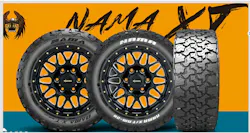
Winters (Nama): Dealers positioned in the light truck market expansion will see greater success and better customer retention. Educating the sales staff with product knowledge and understanding of how their specific market is evolving will enable their business to thrive and gain market share. Stocking top-moving sizes is key and has its advantages over other options. You cannot have everything in stock, but having the correct sizes with high-value products readily available is paramount in the retail landscape. Merchandise and promote your business, so customers know you are the trusted go-to retailer in their market.
Hagan (Nexen): The single biggest opportunity I see for dealers right now is getting back to proper application, matching the tire to how the vehicle is actually used and away from leading every conversation with price. Price-first selling has done the consumer a disservice. Most customers shopping for LT tires aren't tire experts and they don't always know their load range, their vehicle's gross vehicle weight or the difference between an all-terrain and a rugged-terrain tread.
Customers need help understanding fitment differences, and the most successful dealers are the ones who can educate them and fit the tire that best suits their needs. When the conversation starts and ends with budget, there is a greater chance the customer leaves with a tire that is under-specified for towing, too aggressive for daily highway driving or simply the wrong load range. That's not a value sale. That's a missed opportunity and it can become a safety or satisfaction issue down the road.
The industry needs to get back to value-added selling. Tires are safety and performance products, not commodities that should be sold on price alone. Dealers who invest in product knowledge and lead with application-specific recommendations are the ones building repeat business and stronger long-term customer relationships.
Dyhrman (Nokian): The biggest opportunity for tire dealers today is to move beyond simply selling an LT tire and focus on helping consumers choose the right solution for how they actually use their vehicle. Many truck owners use their pickups as daily drivers, family vehicles, tow rigs and recreational vehicles all at the same time. Understanding those needs leads to better recommendations and stronger customer loyalty.
Product knowledge is more important than ever. Today's buyers want durability, off-road capability, ride comfort, fuel efficiency and year-round traction — often in the same tire. Dealers who can clearly explain the trade-offs and benefits between highway-terrain, all-terrain and rugged-terrain products are in the best position to earn customer trust. Dealers should also pay close attention to fitment trends and inventory. Larger wheel diameters, upsized tires and modified trucks continue to grow in popularity and customers often expect immediate availability. Having the right LT tire sizes in stock can be the difference between closing a sale and losing it. Ultimately, the most successful dealers are those who sell value rather than price. When customers understand how features like all-weather capability, fuel-efficient tread designs or 3PMS performance directly benefit them, the conversation shifts from cost to confidence. That's where dealers can really differentiate themselves.
Jones (Pirelli): For dealers, success starts with understanding how customers actually use their vehicles. While many light trucks and SUVs have impressive off-road capabilities, the majority spend most of their time on paved roads. Matching customers with a tire that aligns with their driving habits, climate and performance expectations helps build trust and improves long-term satisfaction.
Dealers should also pay close attention to the growing variety of OE fitments and replacement sizes, particularly as newer vehicles continue to adopt larger wheel diameters. Maintaining inventory that reflects these trends can help reduce missed sales opportunities and improve customer service. Equally important is educating consumers on the value of premium tire technology. Features such as enhanced wet braking, all-season confidence, quieter ride quality, longer tread life and improved fuel efficiency resonate with today's buyers when dealers clearly explain the benefits.
Granito (PCTNA): Today’s consumers are walking into tire shops more informed than ever, and they're asking a lot more questions. That creates a great opportunity for dealers, but it also means they have to stay on top of the latest products and technology. Tire technology continues to evolve, especially in the light truck segment, and things like load ranges and load indexes aren't always as straightforward as they seem. It's not just about replacing a 10-ply with another 10-ply. Understanding why one tire is the right choice over another makes a real difference.
When a dealer can explain not just what they're recommending, but why, they move beyond being someone who's simply selling tires to a trusted advisor. That builds confidence with the customer, creates a better overall experience and is what keeps people coming back.
Montasser (Radar): Start with how the customer actually uses the vehicle. Most light truck owners spend the vast majority of their miles on pavement. They want the capability and the look, but they also want a quiet ride and confidence in all conditions, including wet weather and snow. Ask the right questions up front and you will sell the right tire and keep that customer. Second, stock all-terrain in depth. It is a volume category now and that includes CUV and SUV fitments, not just LT sizes. Winter capability matters too. A 3PMS-rated all-terrain lets a dealer sell one tire for the whole year in most of the country. Third, protect your margin. A quality value brand with disciplined MAP pricing often earns a dealer more per unit than fighting over the same premium brands everyone carries. And lean on your suppliers.
Gutierrez (Sentury): The one-size-fits-all philosophy is fading and there are so many more offerings today than there used to be, making it easier to personalize product suggestions. Tire sales should focus on the total cost of ownership rather than just the purchase price, helping customers understand how tire selection affects long-term value, performance, safety and operating costs throughout the life of the tire and the vehicle.
The sales process should educate customers on key differences between tire types, including the distinction between LT and P-metric tires, so they can make informed decisions based on their driving needs, load requirements and vehicle usage. To support this educational approach, all light truck tire variations should be prominently displayed at the front of the showroom, allowing customers to visually compare tread patterns, features and applications without requiring staff to retrieve tires from stock. This creates a stronger visual impact and enhances the buying experience.

Sarah Ritchey, senior manager of product marketing, TBC Corp.: The all-weather category continues to gain share at the expense of all-season tires. Demand typically peaks in the fall as consumers in northern markets prepare for winter conditions, making proactive inventory planning and targeted seasonal marketing critical for dealers.
Lindsey (TGI): Today's light truck customer is more informed than ever and dealers who focus on understanding vehicle usage rather than simply selling on price are seeing the strongest results. Whether the customer uses their truck for work, towing, off-road recreation or daily commuting, matching the right tire to the application is critical to maximizing customer satisfaction and long-term loyalty. Dealers should also recognize that appearance plays a significant role in purchasing decisions. Many truck and SUV owners want aggressive styling and larger fitments, but they still expect a quiet ride, good tread life and all-weather performance.
Another opportunity is educating customers on total value rather than upfront cost. Consumers increasingly understand the importance of mileage warranties, durability, ride comfort and fuel efficiency. Dealers who explain long-term ownership costs and product benefits are often more successful at trading customers up to better-performing tires.
Bergeson (Toyo): Asking the right questions and really getting a solid understanding of how the customer will use their vehicle is paramount to selling light truck tires more effectively. Once you’ve had the conversation and you have explained the trade-offs and advantages of each applicable light-truck tire category, you can properly set the expectations for the product you are recommending. The user experience and their trust in you will be better, too.
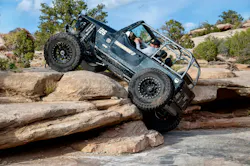
Davis (Transamerica): We recommend treating light truck tires as application-driven, not just size-driven, and leading with clear consumer education. Ask customers about their exact usage — whether they are towing, hauling, commuting or driving off-road — so you can recommend the right pattern and load range. Walk them through the real-world trade-offs between highway comfort and off-road capability. Visually compare the tread pattern H/T against the higher void ratios of an R/T or M/T, making sure they understand how upgrading to a heavier load range and an aggressive tread block delivers the off-road durability they want, but impacts the noise and ride comfort they experience on the pavement. Finally, keep common LT sizes and tread options well stocked to capture immediate business, and protect the customer's investment by scheduling service reminders for regular rotation, balancing and alignment.
Tolbert (Trimax): Dealers must show they are in the light truck business from advertising, showroom point-of-purchase (assets) and building signage. Sales employees should be educated and confident with tire and wheel packages, plus (have) an understanding of vehicle plus sizing. With consumers having smartphones, they are better educated than ever before. We see new vehicle cost now over $50,000, plus higher financing costs. Consumers continue to keep vehicles longer and longer. This also creates an opportunity to get a new vehicle look for a lot less money — a budget and sales alternative.
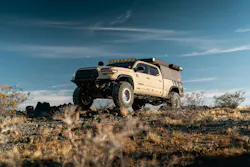
Tchaghlassian (WTD): The biggest opportunity for dealers is shifting the conversation away from price alone and focusing on the customer's lifestyle and intended use. Instead of simply asking what size tire a customer needs, dealers should ask questions such as “Do you tow regularly? Is this (vehicle) your daily driver? Do you go off-road or overland on weekends? Are you looking for appearance, performance or both?” Matching the customer with the correct tire application builds confidence and creates long-term customer loyalty.
Inventory strategy is equally important. The strongest demand continues to center around popular OE and plus-size fitments for half-ton trucks, Jeeps, Broncos, Tacomas, 4Runners and newer midsize pickups. Having a balanced inventory of highway-terrain, all-terrain and especially rugged-terrain products allows dealers to satisfy a much broader range of customers as demand continues shifting toward hybrid tire categories.
Consumer education is another area where dealers can separate themselves. Many buyers don't fully understand the differences between H/T, A/T, R/T and M/T tires. Taking a few extra minutes to explain the trade-offs in noise, tread life, off-road capability and ride comfort helps customers make informed decisions and often results in higher satisfaction after the sale.
Nguyen (Yokohama): Dealers should focus on a few things to sell light truck tires more effectively: stocking fast-moving SKUs, merchandising for real-world use cases and educating customers on performance tradeoffs. The market is shifting toward application-specific fitments, faster fulfillment expectations and clearer value justification. It’s important that dealers understand their local region’s tire needs to tighten inventory around fast-moving SKUs, regional vehicle fitments and high-value segments. Understanding the use cases — daily driver, off-road, towing or work truck — will help sell the correct product by application rather than just tire segment.
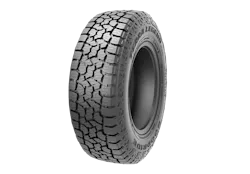
Zhang (ZC Rubber): To better catch these market opportunities, tire dealers should adjust their merchandising, inventory and customer education strategies. First, dealers should prepare inventory around popular sizes. The light truck replacement market is quite concentrated, so it is important to keep enough stock of key sizes, such as LT275/70R18 and LT265/70R17. Many pickup truck owners prefer to replace tires with the same OE size, so having these main sizes available can help dealers sell more effectively.
Second, dealers should display and introduce products by application, not only by size. Today, light truck tires are becoming more specialized. If dealers organize products by usage, such as daily driving, work application, weekend off-road or more serious off-road driving, it will be easier for consumers to choose. Showing the difference between H/T, A/T, R/T and M/T tires can help customers find the right tire for their real driving needs. Third, dealers should recommend tires based on the customer’s actual use. Salespeople can ask some simple but important questions before making a recommendation, such as how the customer drives every day, whether they often tow or carry heavy loads and how often they drive off-road.
Dealers also need to explain the performance differences between tire types. For example, M/T tires can provide very strong traction in mud and difficult off-road conditions, but for daily driving, A/T tires may give a better balance of road comfort, lower noise and longer tread life. Finally, warranty policy and performance certifications, such as 3PMS snow traction rating, should also be clearly introduced. These points can help build customer trust and also support the value of premium products.
About the Author
 Sara Welch
Sara Welch
Managing Editor
Sara Welch is Modern Tire Dealer's managing editor. She is an award-winning journalist who covered agriculture in Ohio, Pennsylvania and West Virginia for 10 years and sports for five years before coming to MTD. She can be reached at [email protected].