Nokian Celebrates 'All-Weather Week'
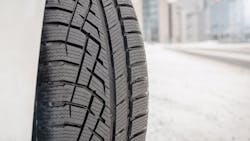
Nokian Tyres is celebrating "All-Weather Week" through Dec. 12 "to help consumers distinguish between all-weather tires and their all-season counterparts.
"All-weather tires are engineered for the millions of drivers in North America who face unpredictable winter weather patterns," say Nokian officials. "Tires like the (Nokian) Remedy WRG5 are popular in areas like the Rocky Mountains, where winter recreation enthusiasts frequently venture from temperate valleys to snowy peaks.
"Drivers who frequently travel across the country during the winter months are also good candidates, as are consumers who see occasional snowfall that isn’t severe enough to merit dedicated winter tires.
"All-weather tires come with an important caveat; they aren’t built to replace dedicated winter tires. In areas where icy roads and heavy snowfall dominate for months, a specialized winter tire remains the gold standard," say Nokian officials.
Nokian says it is "engaging drivers and dealers across North America with educational content via its social media channels," including infographics "that explain the differences between tire types to stories from drivers who trust all-weather tires on epic journeys."
What Makes All-Weather Tires an Upgrade?
All-season tires are built for durability and safety in the conditions most North American drivers face on a regular basis – temperatures that range from mild to hot, and roads that are dry or rainy. Their hard compounds are effective in most circumstances…until winter arrives.
That’s when all-weather tires stand out. Unlike all-season products, they’re approved for wintry roads and certified with the Three-Peak Mountain Snowflake emblem that signifies they’ve passed a snow traction test. The key: softer compounds that remain responsive to the road when temperatures drop below 45 degrees Fahrenheit (7 degrees Celsius), plus tread patterns built to carve through snow and slush.
Who Should Drive All-Weather Tires?
All-weather tires are engineered for the millions of drivers in North America who face unpredictable winter weather patterns. Simply put, they’re an upgrade over all-season tires for drivers who visit winter or have winter visit them.
Tires like the Remedy WRG5 are popular in areas like the Rocky Mountains, where winter recreation enthusiasts frequently venture from temperate valleys to snowy peaks. Drivers who frequently travel across the country during the winter months are also good candidates, as are consumers who see occasional snowfall that isn’t severe enough to merit dedicated winter tires.
All-weather tires come with an important caveat; they aren’t built to replace dedicated winter tires. In areas where icy roads and heavy snowfall dominate for months, a specialized winter tire remains the gold standard, and the inventor of the winter tire recommends that those drivers keep two sets of tires – one for spring and summer, the other for winter.
Celebrating All-Weather Week
For more information about all-weather tires and tips for putting safety first this winter season, dealers and drivers are invited to visit NokianTyres.com/First.
*According to a third-party survey of more than 1,000 drivers in the U.S. and Canada, conducted in April 2022 by YouGov, on Nokian Tyres’ beha